

.svg)


.svg)
.svg)

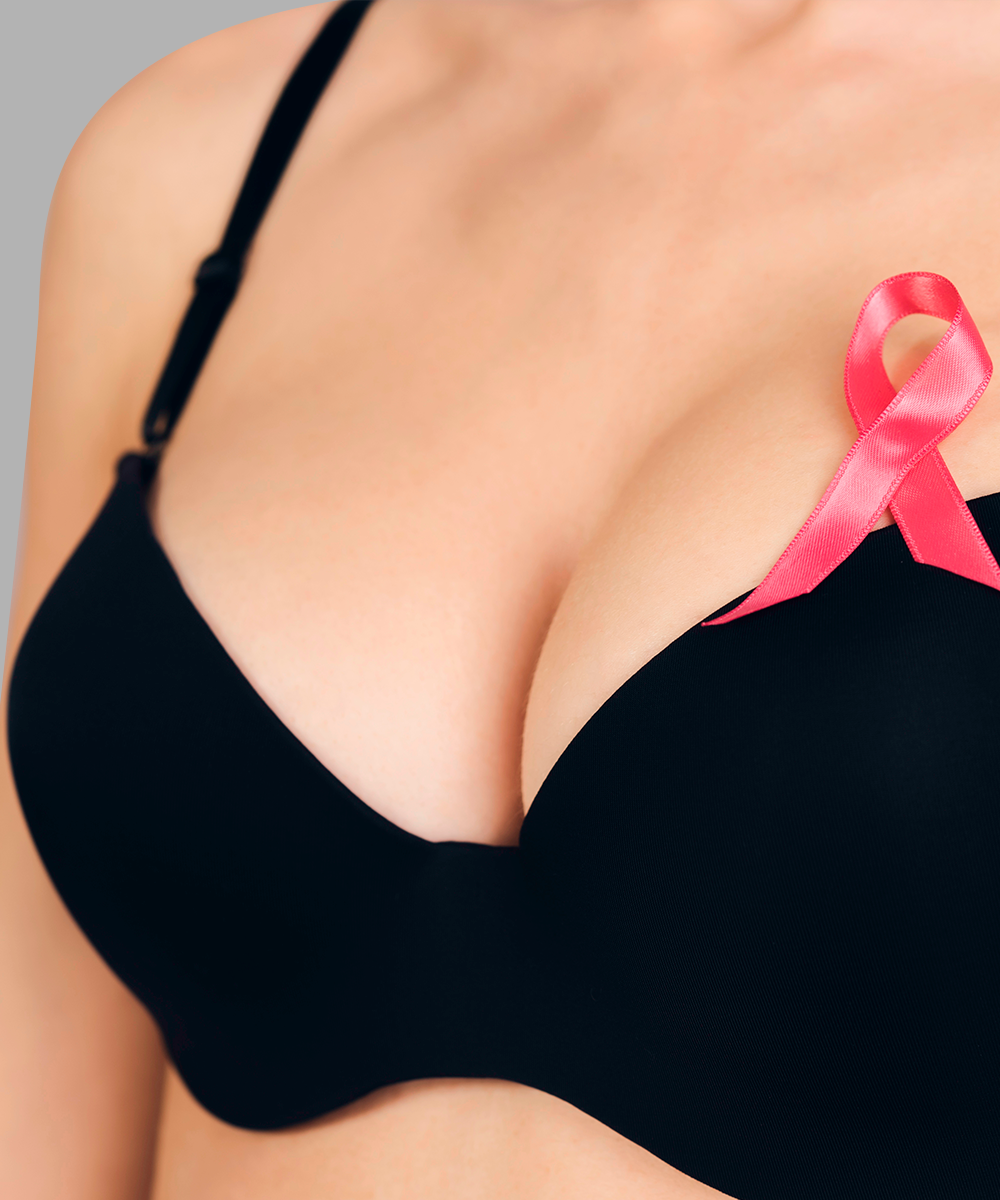
Breast augmentation is one of the most popular cosmetic procedures worldwide. Whether for aesthetic or reconstructive reasons, many people consider this surgery as a way to boost self-esteem and achieve their desired image. If you are thinking about undergoing a breast augmentation (mammaplasty), it is essential to be well-informed about the available options, implant types, sizes, materials, and post-operative care for a successful outcome.
In this complete guide, we explain everything you need to know before surgery.
Breast augmentation, also known as augmentation mammaplasty, is a surgical procedure designed to increase breast size and improve shape using breast implants or, in some cases, the patient’s own fat. It can be performed for aesthetic purposes or reconstructive reasons, such as after a mastectomy.
The introduction of new technology like Galaflex Mesh has further enhanced outcomes in modern breast surgery.
Ideal candidates for breast augmentation are healthy women, non-smokers, with realistic expectations, who want to:
A detailed medical evaluation is essential to determine if you are a suitable candidate.
Choosing the right breast implants is one of the most important aspects of the process. Today, there are several options, each with unique characteristics.
Choosing the implant size is highly personal and depends on:
During the preoperative consultation, the surgeon will take precise measurements and, in some cases, use 3D simulations to help visualize possible results.
The success of breast augmentation doesn’t end in the operating room. Postoperative care is essential for a quick recovery and optimal results.
Key recommendations after breast augmentation:
Although generally safe, like any surgery, breast augmentation carries some risks:
Choosing a certified plastic surgeon and carefully following all medical instructions significantly reduces these risks.
Do breast implants last a lifetime?
Not necessarily. While many implants can last 10–20 years, periodic check-ups are recommended to assess their condition. Replacement or adjustment surgery may be required over time.
Can I breastfeed after augmentation?
In most cases, yes. However, it depends on the surgical technique and type of implant. Discuss your future breastfeeding plans with your surgeon during consultation.
Will breast augmentation leave visible scars?
All surgeries leave some scarring, but plastic surgeons usually place incisions in discreet locations such as the inframammary fold, around the areola, or in the armpit, making scars minimally visible.
Breast augmentation is a personal and significant decision. Understanding implant options, carefully considering size and materials, and knowing postoperative care will ensure a safe and satisfying experience. Always consult a certified plastic surgeon who provides clarity and confidence throughout the process.
Investing time in learning about your options is the first step toward achieving the change you desire in a healthy and responsible way.
Thank you for your interest. Please leave your information, and we will contact you shortly on behalf of our office.